


FAQ
High-pressure pumps: purchase, installation and helpful tips
Here you will find answers to frequently asked questions about selecting and replacing a high-pressure pump.
Purchase and selection
Which high-pressure pump fits my vehicle?
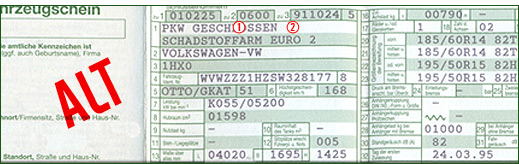
The decisive factors are the correct original part number (OE number), the vehicle data and the engine variant. Compare the details of your previous pump with the item description. A similar appearance alone is not sufficient for selection.
What information do I need for selection?
Please have the following information ready if possible:
-
Vehicle manufacturer and model
-
Year of manufacture, engine size and engine code
-
Vehicle identification number (VIN) or HSN/TSN
-
OE number and manufacturer part number of the previous pump
A clear photo of the nameplate can also help.
Are high-pressure pumps for diesel and petrol interchangeable?
No. Pumps for diesel and petrol injection systems are different. Even within an engine family, different versions may be used. Only purchase a pump that is approved for your vehicle.
What is the difference between a new, remanufactured and used pump?
A new pump has not been used before. A professionally remanufactured pump has been refurbished and tested; the exact scope depends on the supplier. A used pump has already been in service and is not automatically refurbished or bench-tested.
Therefore pay attention to a clear condition description and information about testing.
What does "exchange pump" or "core charge" mean?
With an exchange pump, returning your old pump may be part of the offer. Some listings include an additional core charge. Please refer to the specific item and the core return conditions for prerequisites, return deadlines and refunds.
Are seals and fittings included?
That depends on the item. Check the stated scope of delivery. Seals, bolts, lines or control valves are not automatically included with every pump.
Detecting faults
How can I tell if a high-pressure pump is defective?
Possible signs include difficulty starting, rough running, loss of power or errors related to fuel pressure. However, these symptoms can also have other causes. A workshop should narrow down the fault before replacing the pump.
Does a rail pressure error automatically mean the pump is defective?
No. Fuel supply, filters, sensors, control valves, lines or injectors can also be involved. An error code alone is not enough to determine that the high-pressure pump is the cause.
Is it enough to replace only the high-pressure pump?
That depends on the cause of the failure. Before installation it must be clarified why the previous pump failed. Existing contamination or problems with the fuel supply can also damage the replacement pump.
Installation and commissioning
Can I install the high-pressure pump myself?
Installation should be carried out by a qualified workshop. High-pressure fuel systems require special knowledge, appropriate tools and adherence to the vehicle-specific repair specifications.
What needs to be checked before installation?
The workshop should check the part number, the cause of the damage, the fuel supply and the condition of the fuel system. The vehicle and pump manufacturer's instructions apply for fitting, pressure relief and commissioning.
Why is cleanliness so important during installation?
Dirt and foreign particles can damage the precise components of the injection system. Connections and lines must be protected from contamination during replacement.
What should be done if metal swarf is found in the fuel system?
Then the workshop must assess the extent of the contamination. Replacing the pump alone may be insufficient. Which components need to be cleaned or replaced depends on the findings and the manufacturer's specifications.
Do filters, seals or lines need to be replaced?
The required parts depend on the vehicle and the damage. Prescribed one-time-use parts must be renewed. Whether, for example, the fuel filter or high-pressure lines need replacement should be checked according to the repair specifications.
Does the new pump need to be adapted or coded?
That depends on the vehicle and system. Depending on the design, diagnostic functions, adaptations or special steps may be required for commissioning. No blanket statement applies to all high-pressure pumps.
What should be observed at the first start after the replacement?
The fuel system must be filled and/or bled according to the manufacturer's instructions. Afterwards the workshop checks, among other things, tightness, fuel pressure and the fault memory. Uncontrolled start attempts should be avoided.
Costs and long-term use
How much does fitting a high-pressure pump cost?
The costs depend on the vehicle, the accessibility of the pump and the necessary additional work. If the fuel system is contaminated, the effort can be significantly higher. Have a cost estimate prepared before the repair.
How can I prevent damage to the high-pressure pump?
Use the specified fuel and adhere to the maintenance intervals. Have fuel filters changed according to the manufacturer's recommendations and have any abnormalities in the fuel system checked early.
What should I do if I accidentally put the wrong fuel in my car?
Do not start the engine and, if possible, do not turn on the ignition. Contact a workshop or the breakdown service. If the engine is already running, pull over to a safe place and switch it off.
What should I check before ordering?
Check the vehicle fitment, part number, the condition of the pump and the scope of delivery. Also note any core-return conditions as well as the delivery and return terms stated in the shop.